
The use of aromatherapy is no longer confined to spas and yoga mats. Today it is a mainstream wellness category, which is gaining traction with any skin care brand, home fragrance company, hospitality brand and private label retailer globally. The change for international buyers is one thing: buying the right aromatherapy oils from a good company is no longer an option, but a competitive necessity.
We at Natures Natural India, design, manufacture and export aromatherapy oils, fragrance oils, essential oils to all the companies in the skincare, wellness, hospitality and home fragrance industries of the world. This guide explains for the international buyer what to consider before sourcing.
What Are Aromatherapy Oils and Why Are Businesses Sourcing Them Globally?
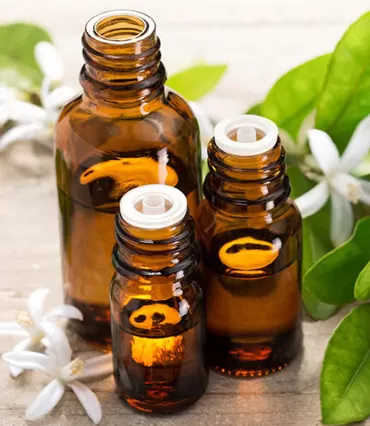
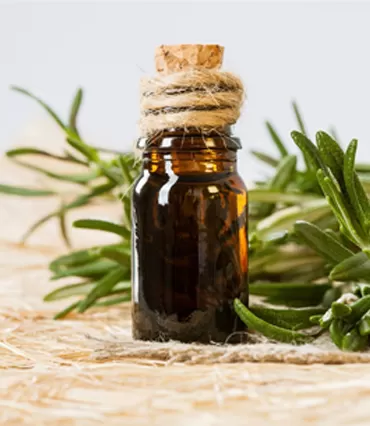
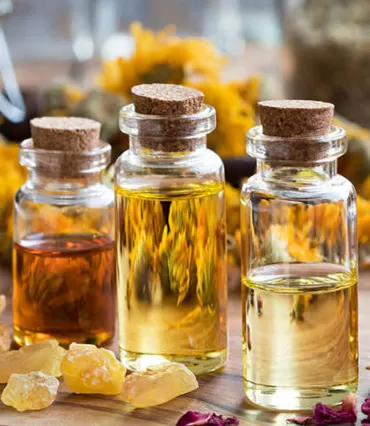
Aromatherapy oils are used to enhance one's well-being by diffusing perfumes. Aromatherapy oils are plant-based oils that are used for their aroma and medicinal benefits, either directly inhaled, in topical blends or through diffusers. They are sourced from all over the world due to their steady upward trend. According to Grand View Research, the global aromatherapy market was worth approximately USD 9.9–10.7 billion in 2025–2026 and is expected to experience solid annual growth, fueled by the health and self-care and clean-beauty sectors.
Why the Aromatherapy Oils Market Matters for B2B Buyers Right Now
The aromatherapy oils market is significant for B2B buyers today for various reasons, and this market is structurally expanding. The same research suggests that the global aromatherapy market is expected to grow at a compound annual rate of 6.8% to 9.5% until the early 2030s, with some reports predicting the essential oils and aromatherapy industry will be worth more than USD 17-23 billion in the next ten years.
Some dynamics are influencing international buyers' sourcing:
North America and Europe continue to be the top two markets for aromatherapy, with more than 50% of the world's aromatherapy consumption taking place in these regions, where consumers are interested in stress reduction, sleep promotion and mental health.
Asia-Pacific is the fastest growing region, with the middle class population driving increased spending and a growing wellness tourism market in Indonesia, Singapore, Thailand etc.
Within aromatherapy, skin and haircare products are growing most rapidly as brands incorporate therapeutic oils into serums, creams and hair treatments but are not using them purely for fragrance.
Quality issues are not limited to fake news — studies have been conducted in the industry and found problems with the quality of commercial grade essential oils; sourcing certified, traceable oils is a real selling point for buyers.
This steady growth coupled with quality checks, is a situation that affects B2B buyers as much as the product itself, and they are not putting the supplier on a pedestal either.
Aroma Oil Benefits That Are Driving Repeat B2B Demand
The benefits of using aroma oils are numerous and leading to repeat B2B demand. Aroma oil benefits include stress and anxiety reduction, better sleep, positive mood and skin and scalp health as a component of formulations. The oils are popular with businesses because they are both enjoyable to the senses and offer genuine functional qualities, thereby helping brands to stand out in saturated markets of wellness and personal care products.
These are the practical benefits that are the reason why retail brands, spas and hospitality companies continue to reorder without looking for any synthetic fragrance substitutes:
-
Agricultural practices that alleviate concern about pesticides and herbicides
-
Air fresheners, as used in room sprays and air fresheners.
-
It provides help to skin soothing and antimicrobial in cosmetic formulations.
-
Clears away impurities and oils that build up in the scalp and hair.
Best Aroma Oil for Home Use
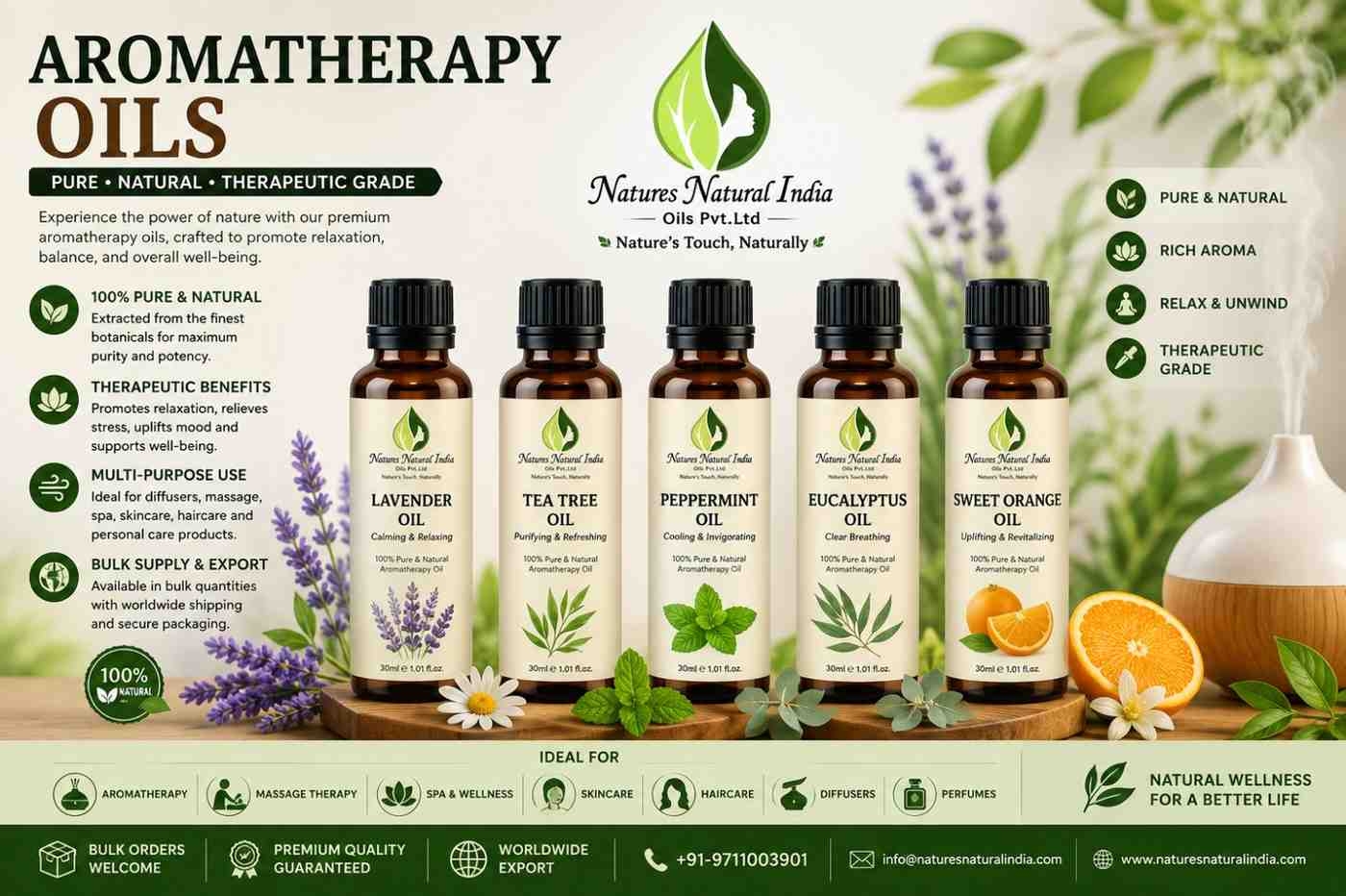
Lavender and Chamomile for sleeping and relaxing, Citrus and Peppermint for energy and concentration and Eucalyptus for breathing are some of the best aroma oils for home. With the presence of a good product line like home fragrances and wellness products, companies can satisfy the varying tastes of consumers through their product line.
For private label buyers this insight is important: most successful home-wellness brands have a small, well-curated portfolio of scents, supporting a variety of use cases ranging from relaxation to energy to freshness.
Aroma Oil for Diffuser Applications
Aroma oil for diffuser should be pure, undiluted, and without the use of synthetic fillers, to disperse evenly and safely in ultrasonic diffusers or nebulising diffusers. Brands that sell "diffuser" ready oils are keen to ensure that the oils they sell do not become clogged up in the diffuser mechanism and will not affect the scent throw, so they focus on purchasing oils from manufacturers that have a quality assurance program for their oil's purity and viscosity.
A new and developing niche is diffuser-specific demand. Though topical use still dominates the general market of aromatherapy, aerial diffusion is growing at a rapid pace with the increasing spread and availability of home wellness equipment becoming more affordable.
Aromatherapy Refreshing Oil for Wellness and Hospitality Brands
Aromatherapy refreshing oils are always citrus, mint or eucalyptus scents, which are popular for giving a refreshing and exciting sense of smell. They are used by spas, hotels, gyms and wellness centres that are trying to put a stamp on their facility, as well as skin care companies that are trying to create a line of cool products.
As the global trend of spending on experiences and wellness is growing, refreshing oil blends are a key differentiator for hospitality and wellness businesses creating brand identity through scent.
What International Buyers Should Look for in a Supplier
When it comes to obtaining aromatherapy oils on a bulk basis, comparing price sheets isn't enough. Buyers should evaluate:
-
Adulteration risk is minimised by purity and certification (GC-MS testing, organic certification, batch documentation)
-
High-quality, consistent supply — a consistent supply of high quality without seasonal disruption.
-
Mass production — efficient production of large quantities of product.
-
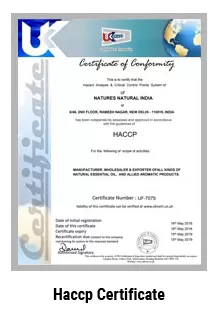
Procedures for compliance with export restrictions and regulations, including proper documentation and packaging.
-
Knowledge of various import/labelling regulations — understanding of different countries' import/labelling regulations and experience in that area.
International buyers are assured of competitive pricing from established aroma oil suppliers and the production capacity of aromatherapy oil manufacturers in India, which are geared towards export to all global markets, as well as availability of raw materials, which is becoming increasingly difficult in other parts of the world due to increased sourcing prices.
India Is a Strong Sourcing Base for Global Buyers
The plant-based essential oils market in India is poised to be one of the key growth markets in the global essential oils and aromatherapy segment due to its raw material availability, existing expertise in extraction and competitive manufacturing prices. Working with a seasoned fragrance oil supplier in India offers a well-established supply chain that delivers quality, scalability, and cost-effectiveness, all of which are vital in today's landscape, with global demand for aromatherapy oils steadily rising.
Conclusion
From a small niche of wellness products, aromatherapy oils have become a staple in the skin care, home fragrance, hospitality and personal care industry around the world. As the market continues to expand and standards increase along with it, foreign buyers who work with a fragrance oil manufacturer in India that has been certified and is export-ready can now outpace those who are still sourcing from unreliable or less-known manufacturers.
FAQs
What are the distinctions between the oils used for aromatherapy and those for fragrance?
Generally, the oils meant for aromatherapy are produced from plant essential oils that have therapeutic properties while fragrance oils may be blends or synthetics and are for fragrance uses rather than for therapeutic ones.
Is it safe to apply the aromatherapy essential oils on your skin?
As most aromatherapy oils are highly concentrated, they may cause skin irritation if used undiluted; therefore, they should be diluted in carrier oil prior to topical application.
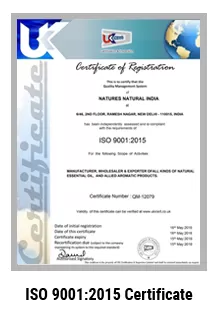
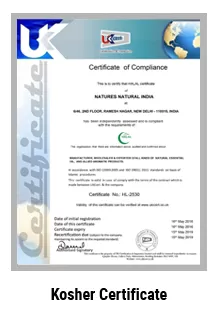
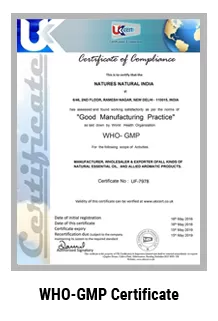
Which certifications should the B2B purchasers of aromatherapy oils take into account?
The certificates that you need to watch out for are GC-MS testing, organic certification (when relevant) and batch documentation.
What is the method to decide which aroma oil mix is to be selected for the product line of a business?
This depends on the product and use. For example, lavender and chamomile are relaxing blends suitable for sleep and stress products, while citrus and mint are refreshing blends ideal for energising or hospitality products.
Can India be trusted as the source of the aromatherapy oil?
Yes. Competitive manufacturing costs, robust raw material availability, and existing extraction infrastructure make it an ideal raw material source for international wellness and personal care brands in India.